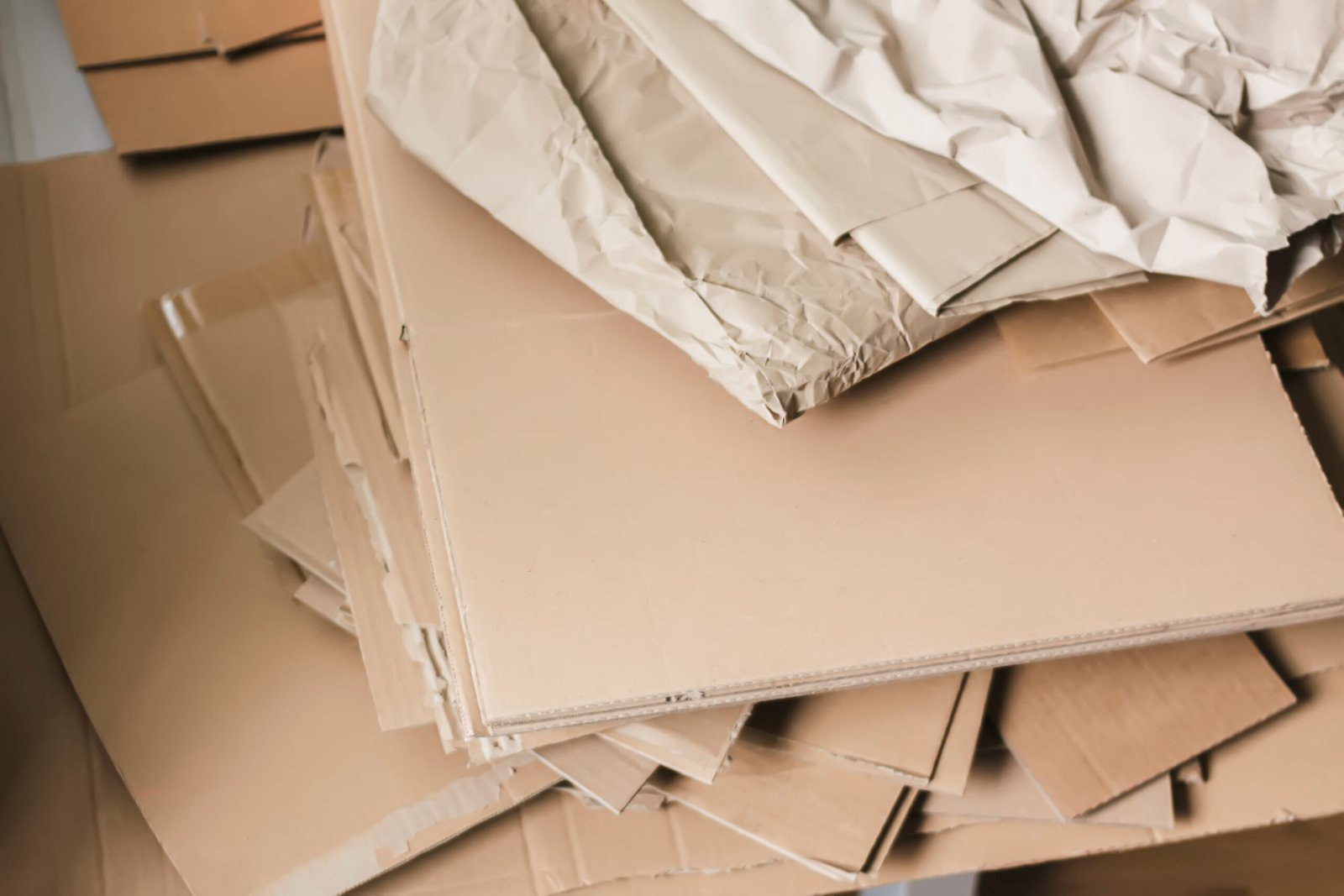
Most paper can be recycled, helping to reduce the amount of waste sent to landfill. Recycled paper can be turned into a variety of useful products, including office paper, cardboard, and newspapers. Not only does this help protect the environment, but many of these materials also have value—meaning you can even earn rebates by recycling them.
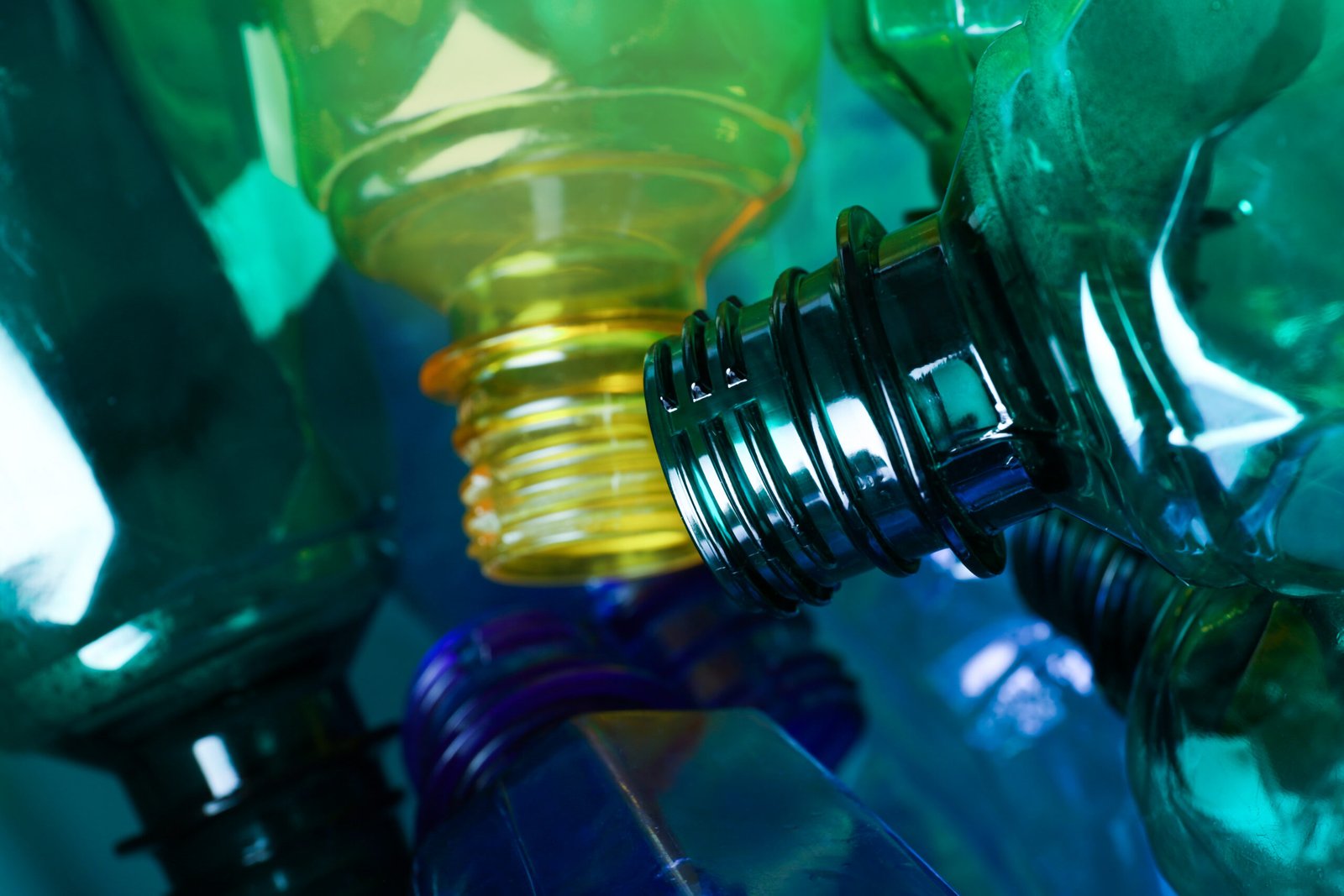
Recycling plastic is a simple yet powerful way to protect the environment and reduce our carbon footprint. It helps keep plastic waste out of landfills and oceans, where it can harm wildlife and ecosystems. By recycling just one ton of plastic, we can save valuable resources—including around 7 barrels of oil, 2,000 gallons of water, and even reduce the need for raw materials.
To recycle plastics effectively, it’s important to understand that not all plastics are the same. Different types require specific recycling processes, so proper separation is key to ensuring they are handled correctly.
Common recyclable plastics include:
- Plastic bottles (PET)
- Milk bottles (HDPE)
- PVC materials
- Clear plastic bags
- Mixed plastic bags
- Sauce bottles
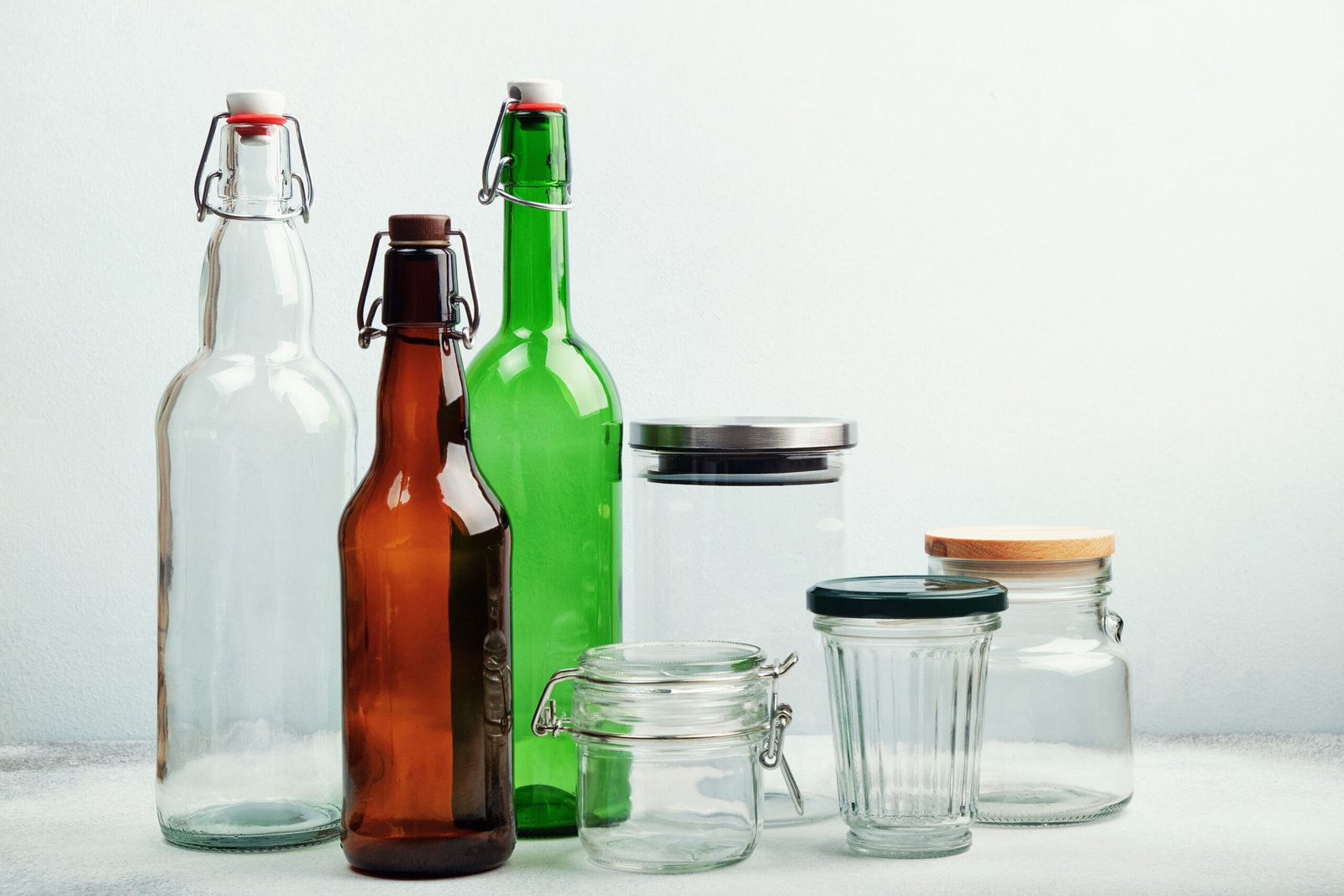
Glass is 100% recyclable and can be recycled indefinitely without losing its purity or quality. When glass ends up in the environment it can take thousands of years to decompose.
In comparison to market share the percentage of glass recycled is minimal in South Africa due to a lack of infrastructure. By recycling food and beverage glass we can help reduce the amount of glass ending up in landfills.
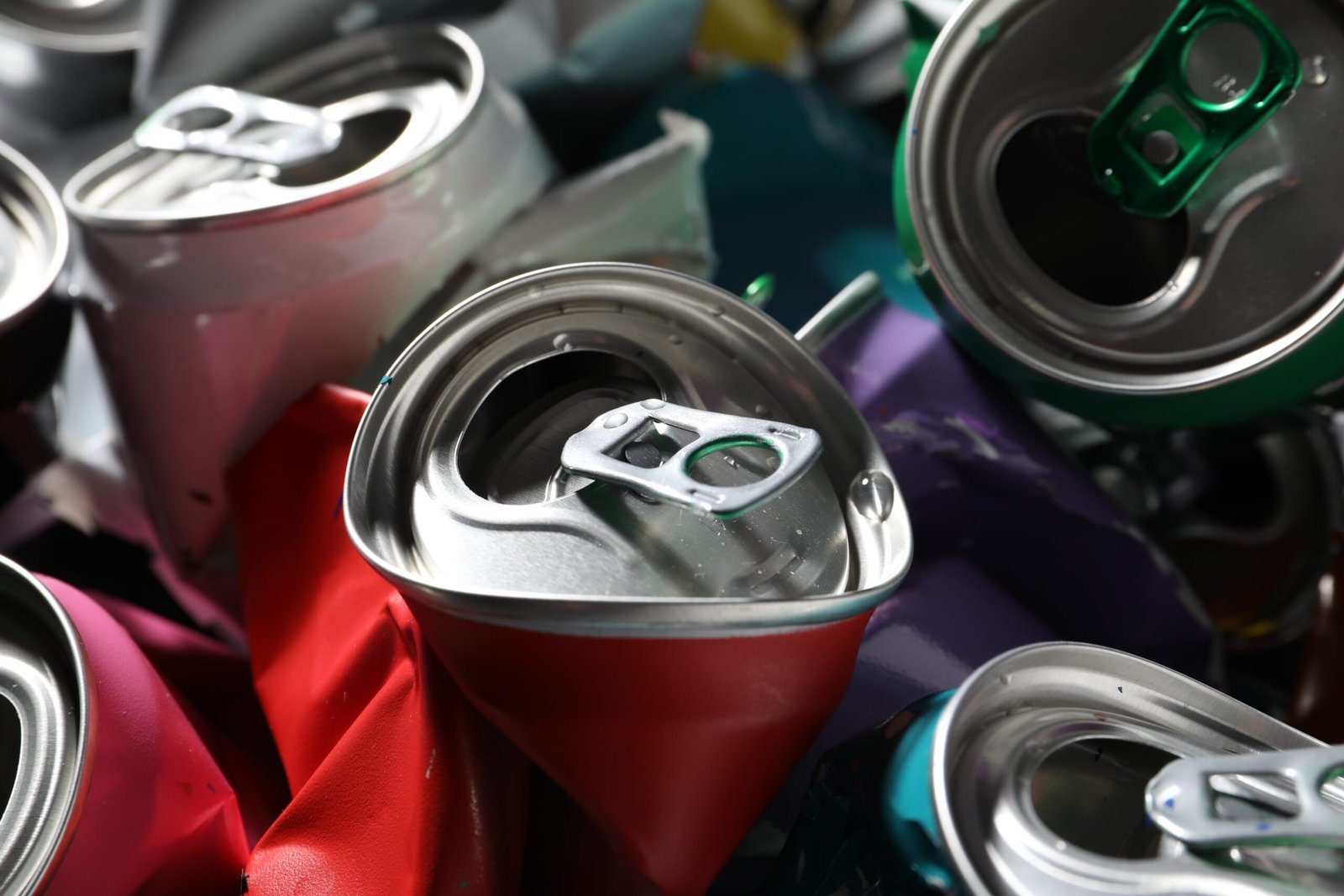
Recycling aluminium cans and steel tins is a simple and effective way to save energy, reduce waste, and lower your carbon footprint. Aluminium is one of the most valuable materials in your recycling bin—it can be reused endlessly without losing its strength or quality. In fact, nearly 75% of all aluminium ever produced is still in use today, and recycling it uses far less energy than creating new aluminium from raw materials.
Steel tins are equally strong and durable. By recycling steel, we can save more than half the energy required to produce new metal. In addition, the recycling process supports local job creation and helps keep our communities clean and environmentally sustainable.
Organic waste makes up a large portion of what we throw away every day and is one of the biggest contributors to landfill waste. In fact, it accounts for a significant share of household rubbish. When food and garden waste end up in landfills, they break down and release methane—a greenhouse gas that is far more harmful to the environment than carbon dioxide.
Recycling organic waste can make a real difference. By composting food scraps and garden materials, we can reduce harmful emissions, keep waste out of landfills, and make better use of natural resources. This not only helps lower greenhouse gases but also reduces the pressure on landfill space—creating a cleaner, healthier environment for everyone.
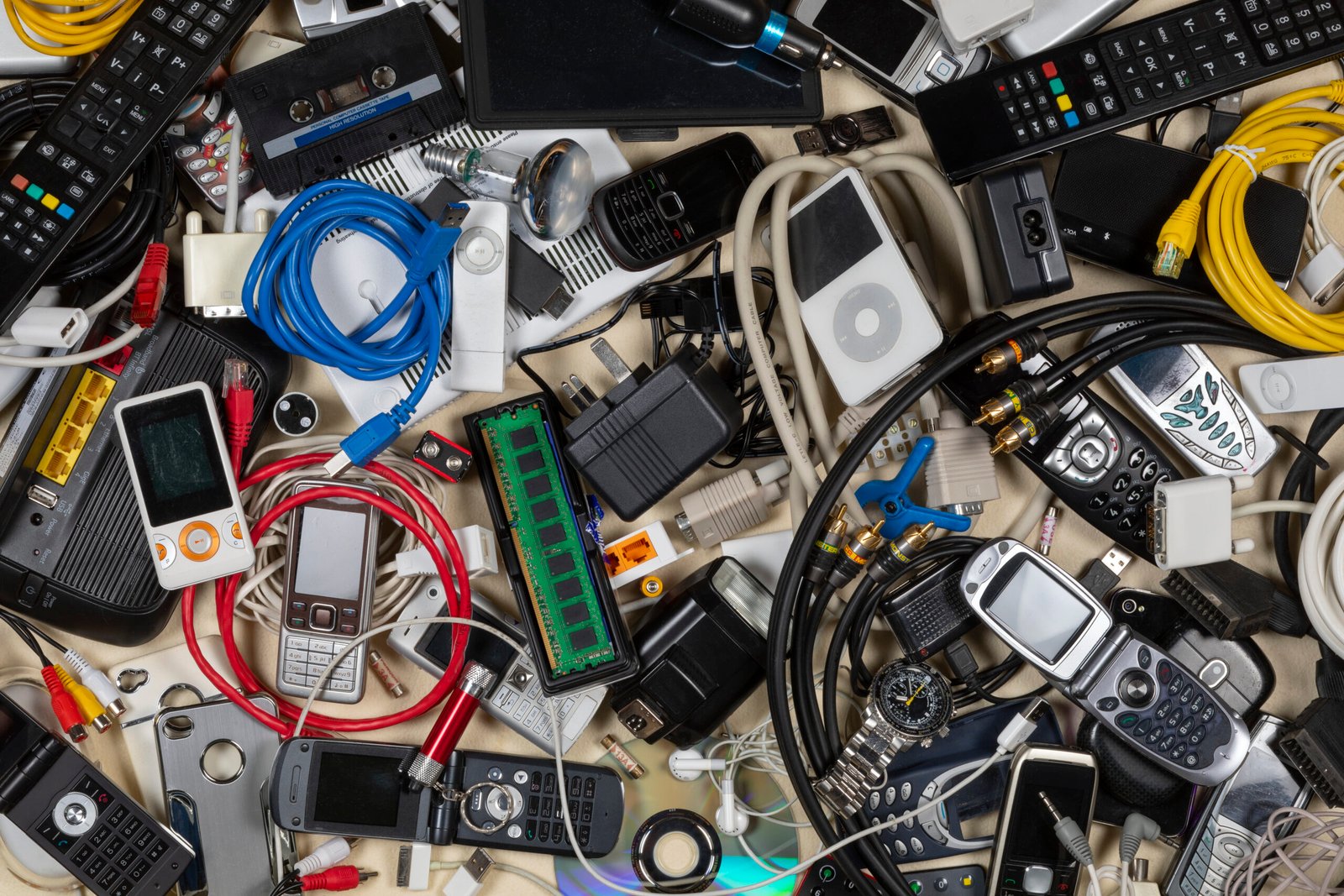
As our reliance on technology continues to grow, so does the amount of electronic waste (e-waste) we produce. Instead of sending these items to landfill, recycling e-waste helps ensure they are disposed of safely and responsibly, preventing harm to the environment.
E-waste recycling is important because many electronic items contain hazardous components that can pollute soil and water if not handled correctly. By recycling these materials, we can protect the environment while also recovering valuable resources.
E-waste includes all electrical and electronic equipment (EEE) powered by batteries or electricity, such as:
- ICT equipment
- Consumer electronics
- Small household appliances
- Large household appliances
- Lighting
- Cables